


Whoa! I keep bumping into the same Web3 wallet problems. Security feels like a checklist you never quite finished. At first glance a multi-chain wallet promises freedom, but then you notice the fees stacking up, the approvals spinning into a mess, and the UX that pretends simplicity while hiding risk behind cryptic prompts. Here’s what bugs me about most wallets: they talk about decentralization and control, yet they rarely give you clear, actionable feedback about how a transaction will behave across chains or how it might be eaten alive by MEV bots on a congested network.
Seriously? The industry built cool primitives and then handed users interfaces that assume you know somethin’ you don’t. Most people using DeFi are bright and curious, but every time they cross chains they face latent complexity. My instinct said the answer was better education, though actually it runs deeper—wallets must give you tools that simulate outcomes before you commit gas and sign. Initially I thought wallets needed just better UX patterns, but then realized they also needed deeper protocol awareness and game theory baked in.
Hmm… transaction simulation is underrated. It reduces surprise. It shows you slippage, route hops, aggregator choices, and how frontrunners might slice your trade. On one hand simulation is a developer feature, though on the other hand it’s a basic safety tool for any user doing cross-chain swaps or interacting with complex dApps. I’m biased, but a wallet that simulates will save users time and money very very often and prevent those «where did my funds go» moments.
Here’s the thing. dApp integration is messy across chains because each environment whispers its own quirks. Contracts behave differently when chain state diverges, and when bridges or relayers are involved you introduce timing and finality risks. Okay, so check this out—if a wallet can model expected confirmations, failed revert scenarios, and probable aggregator routes, users can make informed choices rather than guessing. That sounds obvious, right, but it’s rare in practice.
I’ll be honest: MEV protection started as a research topic and then became a practical concern overnight. Front-running, sandwich attacks, and miner-extracted value are not theoretical annoyances. They cost people real dollars. Wallets that simply surface raw gas and let users hit confirm are inviting loss. On the flip side, integrating MEV-aware routing, or offering private relay options, actually changes the game for retail DeFi users and for traders alike.
Check this next idea—imagine a wallet that simulates a swap across three chains, shows the likely aggregator split, highlights the MEV exposure, and suggests an alternative path with lower risk. Sounds dreamy? It should be standard. In my experience the best designs are those that nudge users without being paternalistic. There are trade-offs though, and some protection strategies raise centralization concerns if misapplied or outsourced to opaque relays.
Something felt off about early wallet promises: «control» got conflated with «do-it-yourself risk.» The paradox is that giving control without context increases danger. So wallet designers must respect user sovereignty while also offering intelligent defaults. Actually, wait—let me rephrase that: offer defaults that are transparent, auditable, and optional, so power users can tune behavior while novices get safer fallbacks. That balance is delicate and easy to mess up, but it’s achievable.
On one hand, multi-chain support means juggling token standards, gas tokens, and bridging mechanics. On the other hand, good tooling can abstract those messy parts while exposing meaningful knobs. For example, a transaction simulation could show the cross-chain hop count, the expected bridge finality delay, and a confidence score for execution. That score shouldn’t be a black box though; users deserve a quick explanation of what influences it and how to reduce risk.
Okay, small tangent (oh, and by the way…)—I used to think MetaMask had this cornered. It didn’t. The market moved fast and popped open new UX gaps. Wallets that leaned into protocol telemetry and research ended up offering superior outcomes. Developers should instrument their wallets with on-chain analytics and collaborate with relayers and aggregators to build smarter simulations. This requires partnership and friction, but it’s worth it.
Seriously, the pragmatic path is integration with MEV-aware services and route simulations, combined with local signing and privacy controls. You can avoid centralizing custody while still benefiting from off-chain intelligence. That said, the devil’s in the details: relay trust models, fee distribution, and privacy guarantees all matter. I’m not 100% sure about the long-term economics of every proposed model, but we can test them in the wild and iterate.
Here’s another surprising bit: having clear failure-mode messaging reduces frantic support tickets. Users hate ambiguity. When a cross-chain swap stalls, a simulation that predicted the stall gives users clarity and next steps. It also helps build trust between wallets and dApps. Trust is a scarce resource in crypto; losing it is expensive and hard to regain.
Check this out—some wallets now offer transaction sandwich protection, private mempool submission, and post-trade analytics. These features help, but they also need to be communicated simply. Show a user the risk, the cost to mitigate it, and the expected outcome. Let them pick. Let them experiment safely. That empowers people rather than patronizes them.
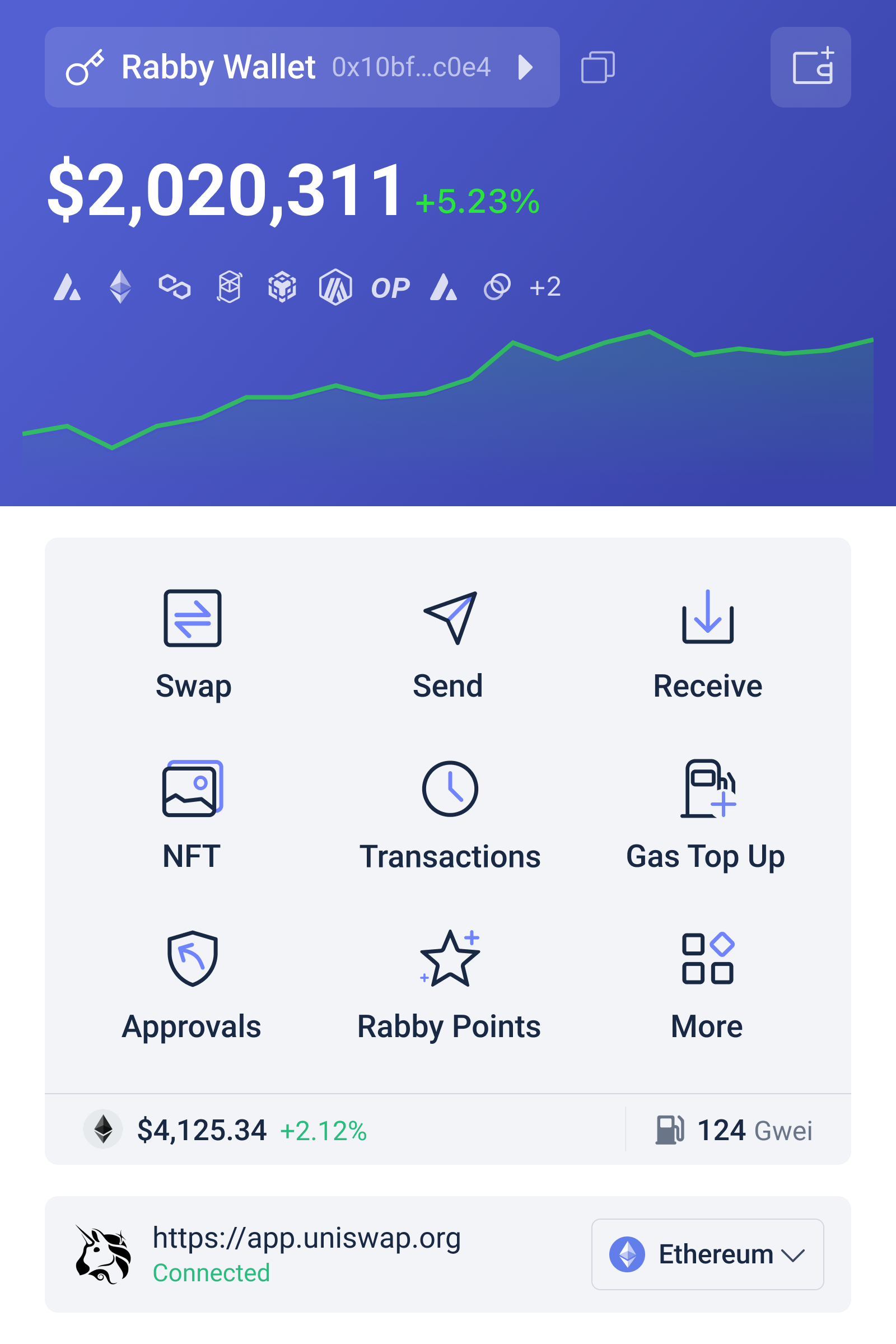
Practical features a modern multi-chain wallet should ship
First, a robust transaction simulator that models cross-chain logic and aggregator behavior before signing. Next, MEV-aware routing and optional private submission channels for those who want extra protection. Third, clear UX that surfaces bridge finality, expected delays, and slippage in plain English. Fourth, deep dApp integration so that clicking «approve» doesn’t blindside you with hidden allowances or unexpected token pulls. Finally, transparent telemetry and consented analytics that let users understand why a route was chosen.
That’s a lot to ask from a single product, I know. Building trust requires iterative design and heavy engineering, though it’s not rocket science. Wallets that invest in these areas will attract users who trade often, use dApps, or need to manage assets across chains. For those curious about a wallet that takes these ideas seriously, take a peek at https://rabby-wallet.at/—they’ve been thoughtful about simulation and dApp protection, and they experimented with features I wish more wallets offered.
What about user education? It’s not about dumping docs at people. It’s about contextual nudges. Show a two-line explainer when a simulation flags MEV risk. Offer one-click mitigations. Provide an «advanced view» for power users. Those are small design decisions with outsized impact. Plus, they make support teams less overwhelmed, which is nice.
I’m thinking about broader trade-offs here: privacy versus protection, decentralization versus convenience, and friction versus safety. On one level you can make everything private and slow, or fast and exposed. The better path layers choices so users can select where they sit on those trade-off curves. It’s messy, but it’s honest. Design that avoids these conversations will fail because users will discover the consequences later and be unhappy.
Common questions
How does transaction simulation actually prevent MEV losses?
Simulation models potential execution paths and shows where frontrunners could insert transactions, so users can choose mitigations like private submission, higher gas buffers, or alternate routes. It doesn’t erase risk, but it converts unknowns into informed decisions and reduces surprise losses.
Will MEV protection centralize my transactions?
Possibly, if protection relies on opaque relays that take custody or hide logic. The safer approach combines local signing, open-source relayers, and optional private channels so users can pick trust models they prefer without forcing centralization as the only option.
I use multiple chains — how should I think about fees and UX?
Think in terms of atomicity and finality: each hop adds delay and cost, and some bridges require waiting for confirmations before downstream actions. A wallet that simulates these hops will show expected costs and timing, letting you choose a cheaper slower path or a faster protected route.