


Okay, so check this out—DeFi feels both exciting and vaguely hazardous. Wow! The tooling has gotten smarter, but attacks have too. My instinct said «use many wallets,» but that’s messy. Initially I thought a single wallet with layers of protection would suffice, but then I watched an innocuous approve call drain funds and changed my mind.
Here’s what bugs me about most wallets: they optimize for UX but gloss over the invisible risk surface. Seriously? They show balances and let you sign things, and that’s it. Medium wallets will warn about gas and chains, but they rarely let you rehearse a transaction the way you would try a new recipe before inviting friends over. On the other hand, developers face pressure to ship simple interfaces, though actually users need smarter guardrails—especially across EVM-compatible chains where the same mistake replicates fast.
Whoa! Transaction simulation is the missing middle ground. It gives you a dry run. It shows how a contract call will behave without touching funds. That matters when interacting with composable DeFi primitives—AMMs, lending markets, liquid staking, whatever you’re using. Simulations find slippage, front-running venues, reentrancy-like behaviors in complex flows, and bad approvals before you commit.
Let me tell you a short story. I was bridging assets and the bridge contract required an approval that was written so generically it would grant spending rights to many tokens. My first impression: «that’s fine.» Something felt off about that approval prompt. I simulated the call on a local node and saw the approval scope was broader than the UI implied. If I hadn’t simulated, I might’ve rolled the dice. Instead I adjusted allowances and used a permit flow—saved myself a headache, and some gas.
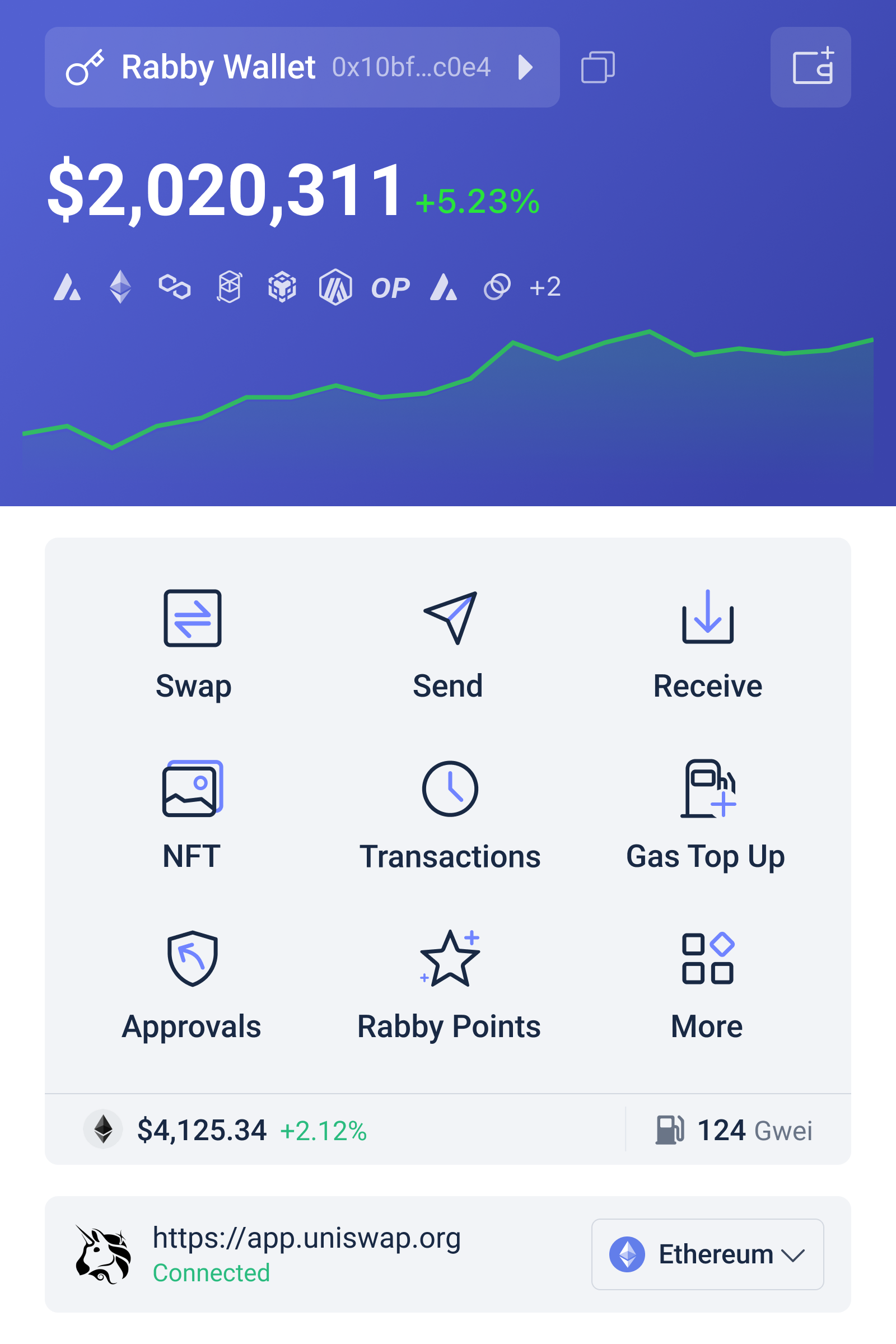
How to evaluate a wallet that claims to be ‘DeFi-savvy’ — and why rabby matters
Short version: test for simulation, multi-chain clarity, and granular permissions. Hmm… that’s obvious but worth repeating. The wallet should tell you, in plain language, what the contract call will do. It should show internal calls, token movements, and whether the call might revert under current on-chain state, and it should let you edit allowances down to the specific token amount rather than offering a dangerously broad «infinite approve.» I’m biased, but I’ve come to prefer wallets that surface this info up front—rabby does a lot of this well in my experience.
On the multi-chain front, networks are not the same animals. Gas tokens differ, oracle sources differ, block times differ, and the set of active MEV bots differs. A good wallet maps those differences visually and prevents cross-chain confusion. Picture approving an ERC-20 on Polygon when you thought you were on Ethereum Mainnet—it’s easy, and it’s costly. So look for clear network indicators and confirmations that make you pause before signing.
Permissioning is another big one. Wallets that only offer toggles like «allow» or «deny» are old-school. Better wallets offer variable permissions, time-limited approvals, and a history/explorer of active approvals so you can revoke or trim them. Also, watch for built-in heuristics that flag risky patterns—sudden contract upgrades, newly deployed proxies, or abnormal token routing patterns. Those heuristics aren’t perfect, but they reduce surprise.
Security features should also include sandboxing and hardware wallet compatibility. Keep your signatures off hot devices when possible. Use a wallet that can integrate with an air-gapped signer or at least a hardware key. I often use a mixed setup: a hot wallet for low-risk interactions and a hardware-backed wallet for high-value operations. There’s friction there, yes—but it’s worth it when you’re moving value at scale.
Another point—UX for power users matters, too. Advanced users need access to calldata previews, gas breakdowns, and the ability to batch or sequence transactions safely. Tools that let you craft multi-step interactions and then simulate the entire sequence are undervalued. On-chain state changes across steps can create emergent behaviors, and only by simulating full flows can you catch the bad ones before they bite.
Something else—privacy and metadata leakage. Many wallets leak interactions to heuristics that track your behavior across dapps. You’re not just signing messages, you’re creating a trace. A good wallet minimizes unnecessary RPC calls, avoids leaking full transaction graphs, and gives you control over which dapps get which level of access. Sounds small. But privacy compounds.
Okay, where should you start when choosing? Start hands-on. Try simulating a swap, a margin-adjust, a zap into a yield aggregator. If the wallet gives you a clear pre-check with on-chain hints, that’s a win. If it only shows a generic gas fee and a string of bytes, move on. Also, read the release notes—does the team respond quickly to exploit disclosures? Are they transparent about security audits? Those cultural things matter more than you might think.
I’ll be honest—no wallet is perfect. I still keep a small, hot wallet for experimentation and a cold one for savings. There are tradeoffs. Some wallets prioritize speed, others security, and only a handful balance both while adding simulation and clear multi-chain workflows. Expect to evolve your setup over time. This is crypto; the landscape mutates.
Common questions
What exactly does a transaction simulator show?
It can range from a dry run that predicts whether a transaction will revert to a full trace of internal calls and token transfers, including gas used and possible state changes. Some simulators show estimated slippage and MEV exposure as well. Use those outputs to adjust parameters or split transactions to reduce risk.
Is simulation foolproof?
No. Simulations depend on the RPC node and assumptions about mempool and block inclusion. They can miss race conditions that happen in live mempools. Still, they catch many common mistakes and significantly lower risk. Think of them as rehearsal, not a guarantee.